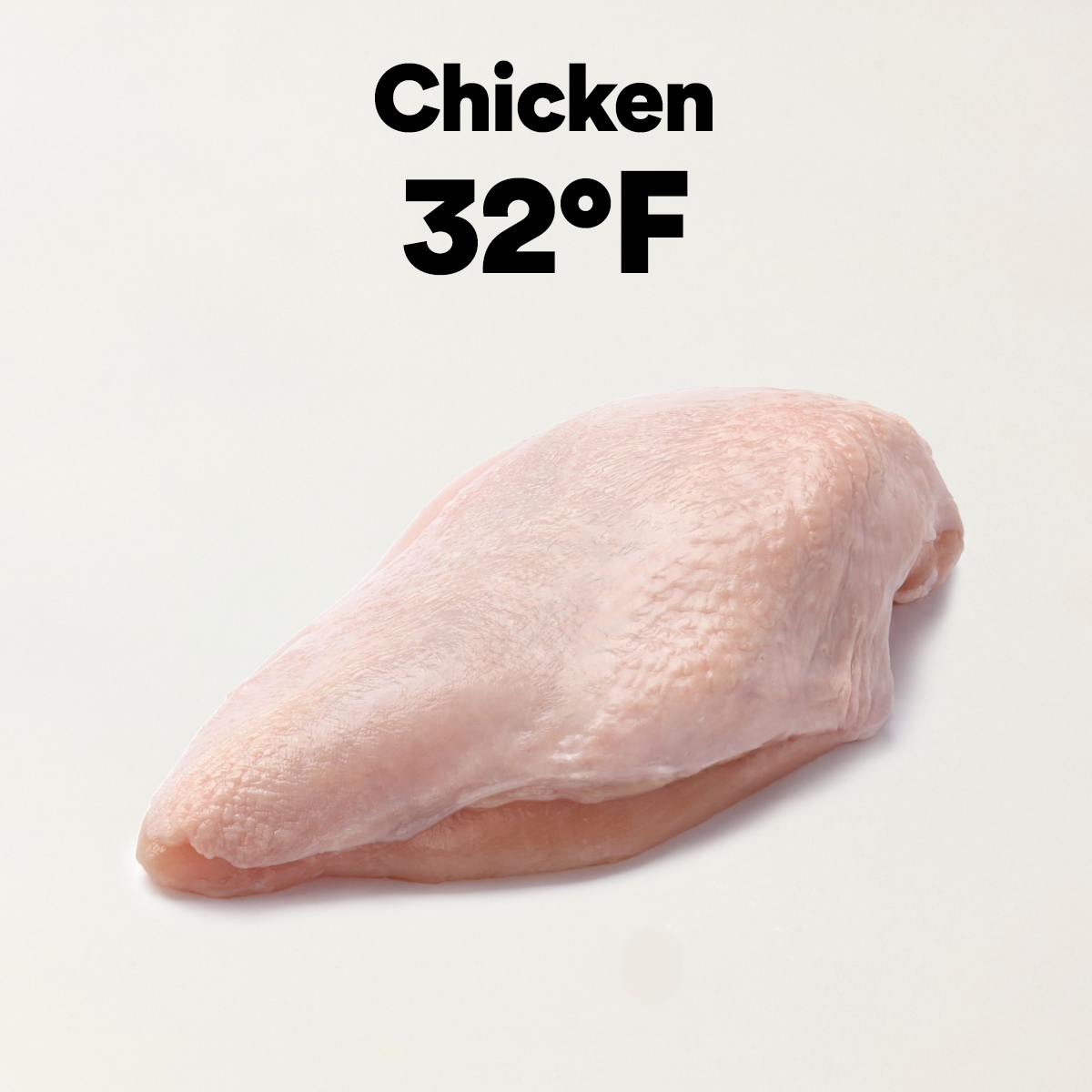
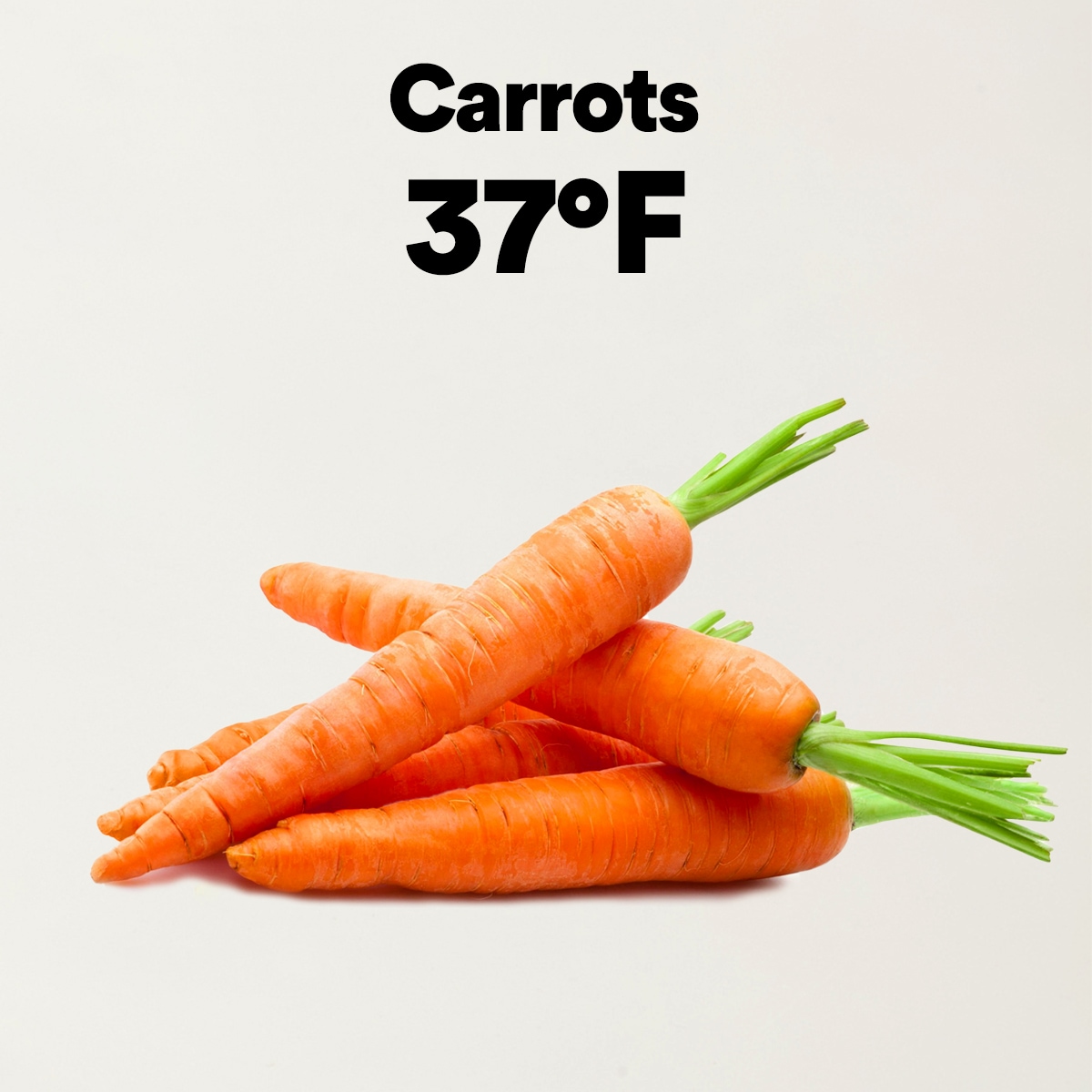
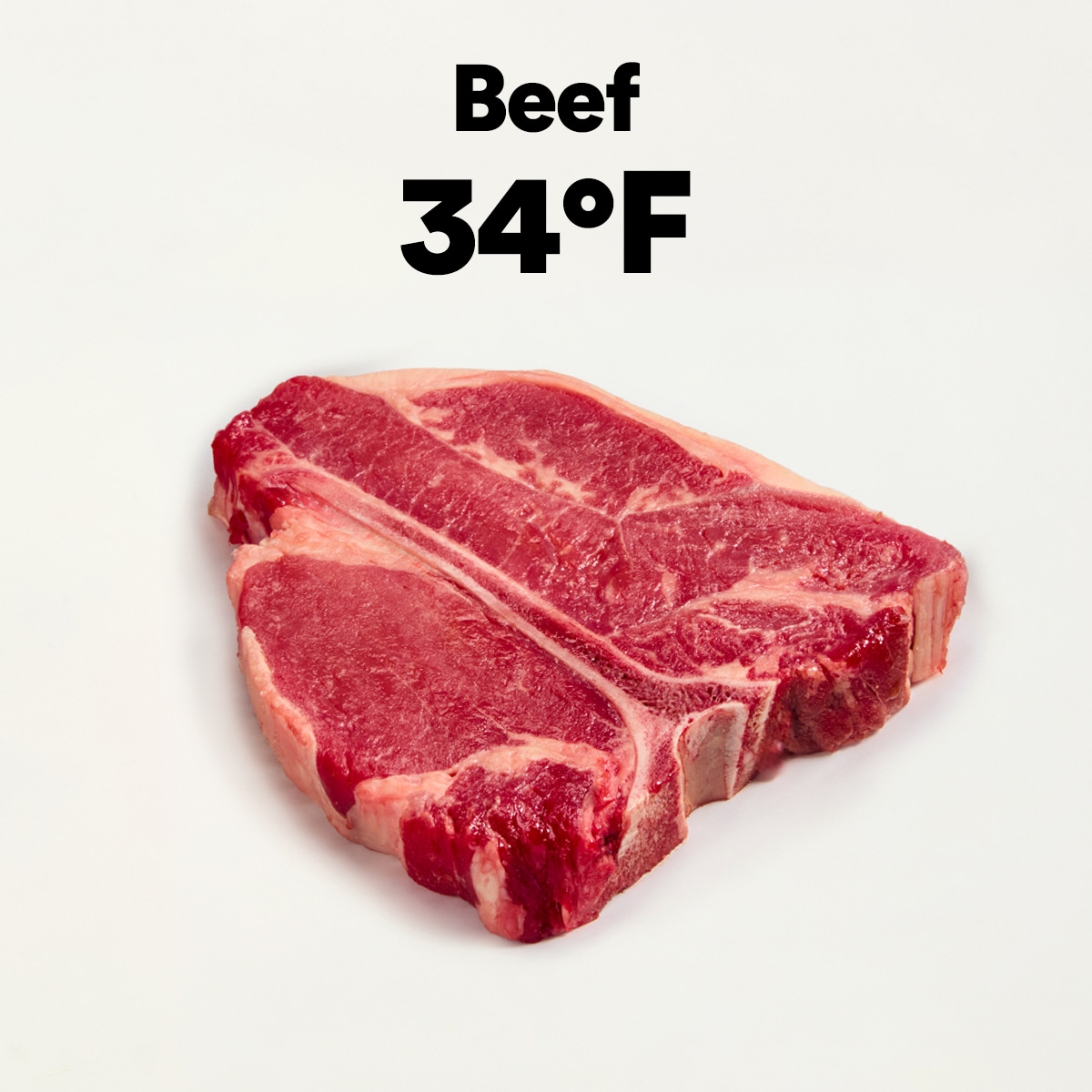
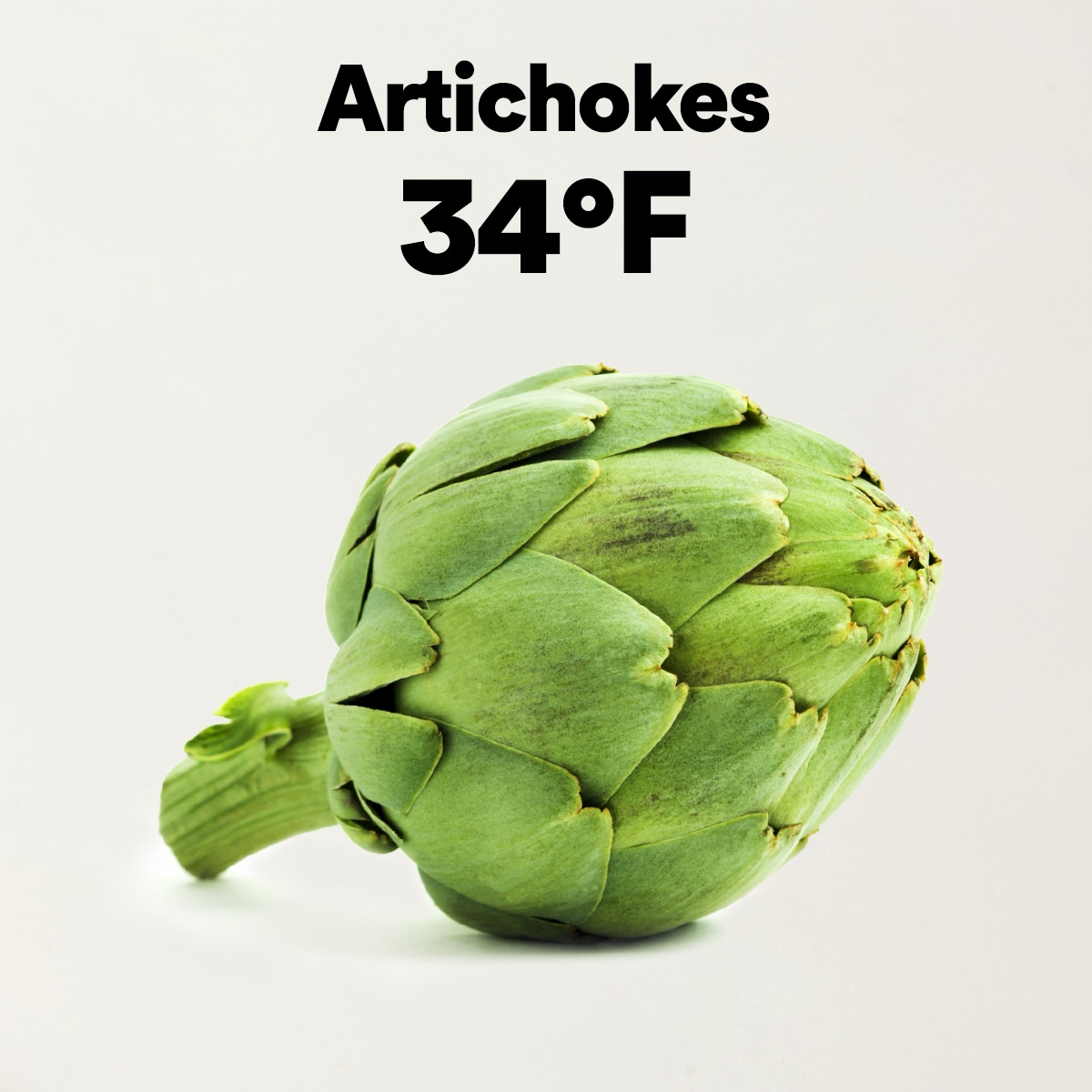
The Difference 38 Custom Temperature Zones Makes

FreshDirect isn't a grocery store. It's what a grocery store wishes it could be.

FRESHDIRECT CAMPUS | BRONX, NY

How do we do fresh? Our state-of-the-art facility has 38 custom temperature zones to ensure your groceries are kept in the ideal conditions. When combined with our direct-sourcing model that shortens the supply chain, we can guarantee food that’s delivered up to 7 days fresher than the store.

Your grocery store is designed for people, not food

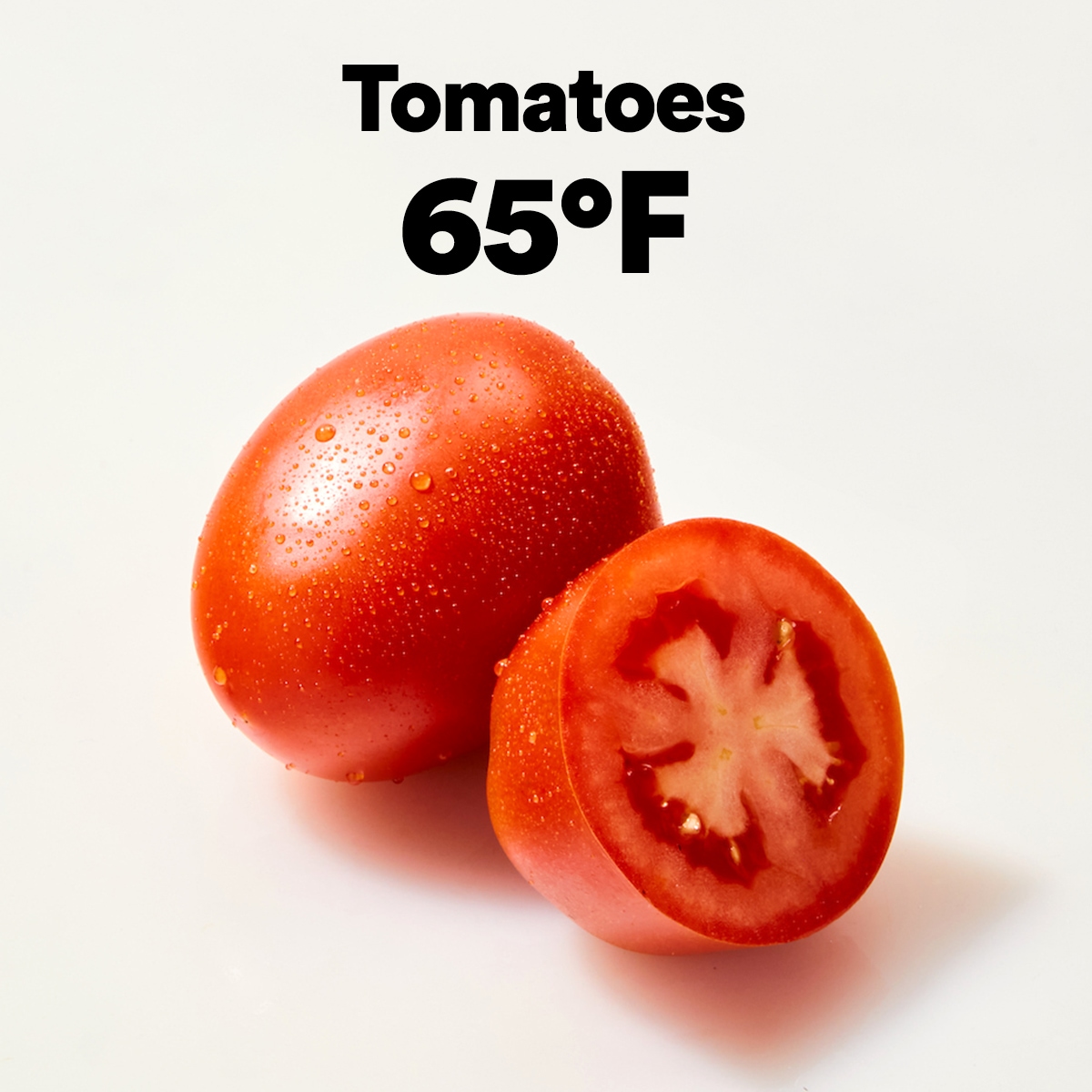
The average supermarket has three temperatures: refrigerator, freezer, and ambient. Each of these is set according to whatever will accommodate the most items. Say you have a produce display case set to 36 F. This is too warm for the broccoli, which likes things icy at 32 F, but cold enough to damage the cucumbers, which prefer a balmy 50 F. Or take the room temperature, set to 70 F. This might be great for the comfort of shoppers, but it’s above the 57 F that a banana loves or the 65 F for a tomato—meaning that when they sit out, they’re spoiling by the minute.

We're not like other grocers

FreshDirect does not follow a grocery store model. Instead of retail locations, we have one central facility in the Bronx where we process inventory. Our team works directly with farmers, fishermen, and producers, so food travels straight from the source to us—unlike a retailer that is at the end of a long chain of distribution centers and middlemen. 

As soon as goods arrive here, they’re moved to one of 38 custom-calibrated temperature zones that are set up to keep each item thriving. For example, we have a room for bananas that ripens them to a perfect yellow by the time they go into your order. And a meat and seafood area kept at a deep chill—our butchers and fish cutters even have to wear heavy coats to work. 

When it’s time to deliver your FreshDirect order, your groceries are packed up and put into our refrigerated trucks, which then deliver them to your door. So for the entire journey, we have end-to-end control over the environment. Plus, the only people who touch your food are often just the farmer and the person preparing your order. 

So in addition to the perfect conditions, another perk of skipping the store is that there are no customers picking at the fruit or taking and putting back items on the shelf. Think about that next time you see a pile of bruised apples with fingerprints all over it. 

There's a Perfect Temperature for Everything

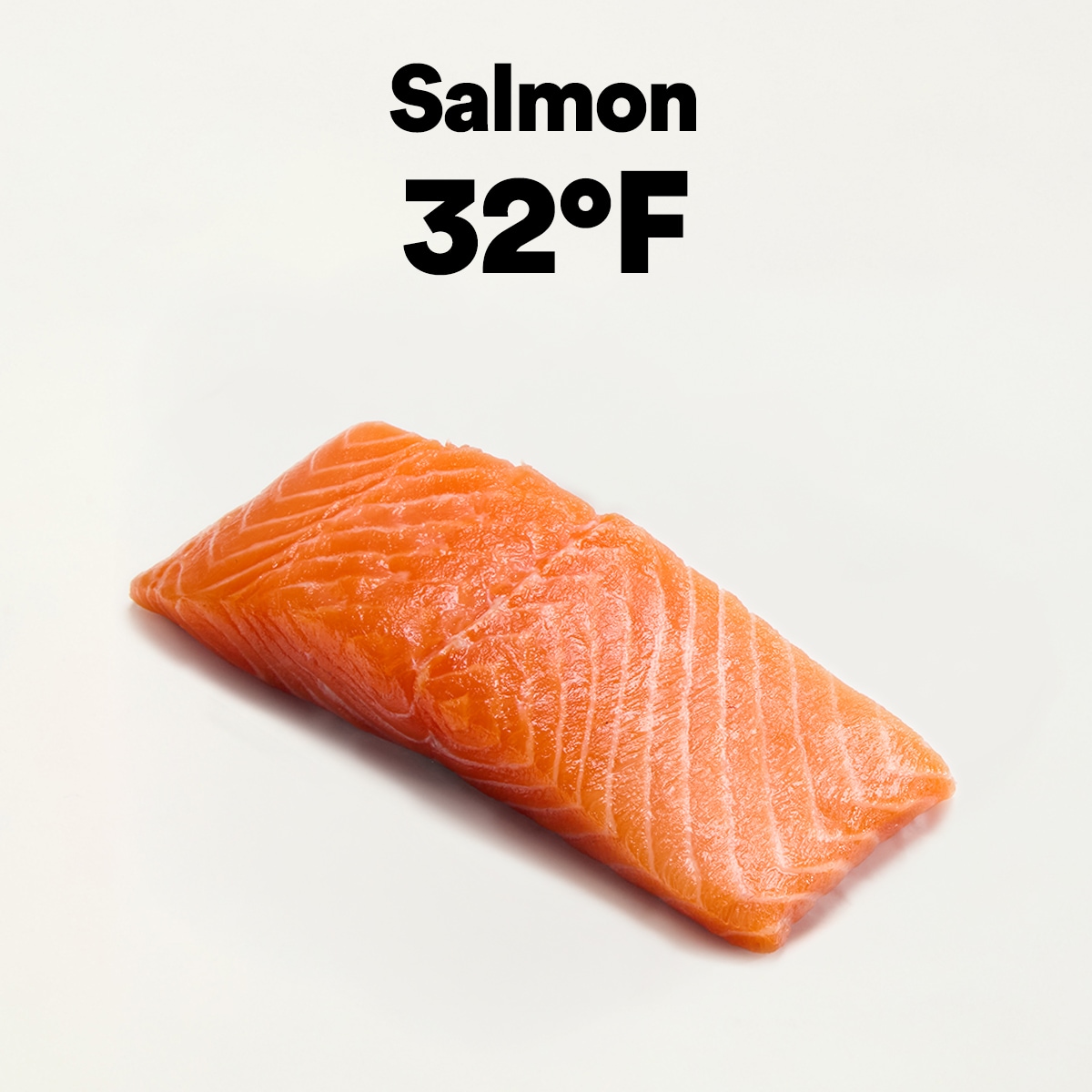
Consider what it actually takes to keep a week’s worth of groceries at their best. Fresh fish is one of the most demanding items. It needs to be held just around freezing, around 32 F, to halt bacteria. A degree or two warmer and that window of peak freshness starts closing fast. Beef and pork are slightly more forgiving, but still thrive in their own dedicated cold zone, away from the aromatics—like onions and garlic—that can transfer flavors to unprotected cuts (yes, a steak can taste like an onion. No, that’s not a good thing).

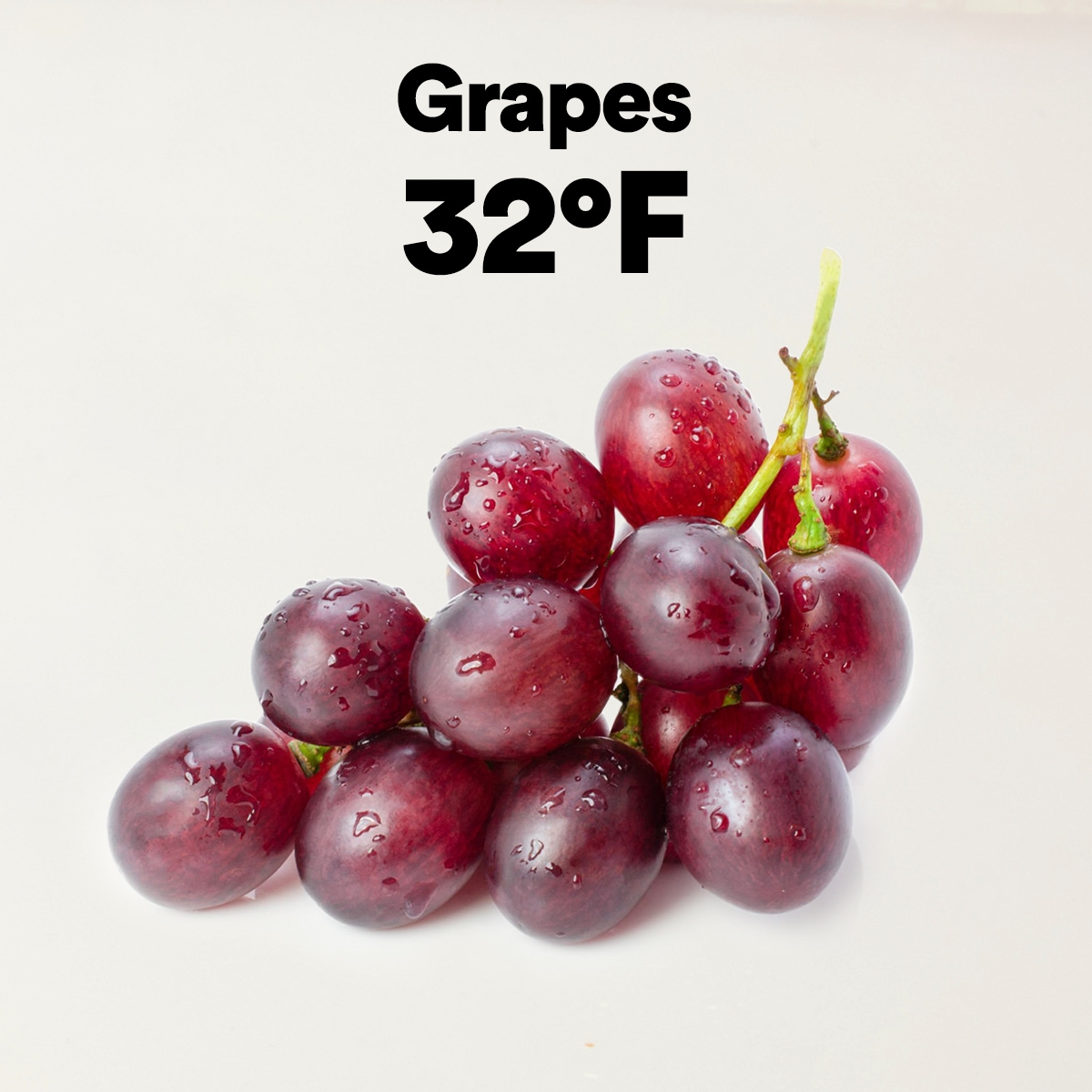
Dairy has its own set of rules. Milk and cream want to stay between 34 and 38 F, while hard cheeses do better with a little more warmth and airflow to keep rinds from sweating. Meanwhile, certain fruits—berries, cherries, grapes—are sensitive to both temperature and humidity, and will shrivel or mold if either drifts out of range.

Then there’s the chill-sensitive category that trips up most grocery stores: items that can actually be damaged by too much cold. Basil turns black below 50 F. Avocados halt their ripening if refrigerated too soon. Whole melons lose their sweetness. For these items, a controlled room-temperature zone isn’t excessive—it’s exactly what they need to stay fresh. 

Humidity matters just as much as temperature for many items. Leafy greens need high humidity to stay fresh; too dry and they wilt within hours. Stone fruits, on the other hand, need lower humidity to avoid the surface moisture that accelerates rot. Our zones account for both variables, which is why the romaine in your order arrives crisp, and the peaches arrive supple and not too soft.

The overall benefit of all this precision is less waste and better flavor—food that stays fresh longer, lasts longer. Those extra days are the difference between groceries that get used and groceries that get thrown out.

By controlling multiple temperature and humidity zones for different types of perishables, we’re able to reduce spoilage and deliver a higher-quality product. It’s a system engineered from the ground up, which we created just for ourselves when we built the facility that we call home. There’s one core promise that guides it all: that what arrives at your door is as fresh as what you’d find at the source.

Grocery stores keep everything at one temperature. We have 38 of them because each food has its own ideal environment.

The Grocery Store Problem

Only about 15–20% of a supermarket’s space is refrigerated, with the rest at room temperature. That warm air constantly surrounds refrigerated units, causing them to overcompensate and ice up, leaving your food is repeatedly cycling between cold and warm.

Grocery store produce also goes through multiple stages of distribution before it even hits the shelf, each one introducing more temperature variation.

The FreshDirect Difference

Our facility is more controlled than any retail space, with different temperature and humidity combinations optimized for storing different perishables. 

With tighter control of the cold chain, we can provide fresher, higher-quality products than supermarkets. 

FreshDirect also removes many of the touch points in the supply chain where produce could otherwise spoil, by buying directly from farms and shipping straight to the customer.

We Do It Because We're Obsessed With Food

At FreshDirect, we’re a team of people truly obsessed with food. Our team members are experts, who have spent decades mastering their craft and know where to find the best-tasting ingredients, both locally and across the globe. We built 38 temperature zones because we’ll go to any lengths to guarantee quality. It’s a lot, but it’s worth it. 

Since 2002, our direct relationships with farmers, fishermen, and growers have been the core of our business. This removes many of the touch points in the fresh food supply chain where produce could otherwise spoil. Our process was designed for end-to-end control, so that each piece of food is kept at its optimal temperature for ripening and freshness, with no warm-air interruptions and no shortcuts. For you, that precision means something simple: food that actually tastes like food.


Get a Taste of Food at Its Best with FreshDirect

Get first-pick produce, custom-cut meat, just-caught seafood, and more—delivered up to 7 days fresher than the grocery store.