As concerns like ecological health, global warming, and carbon emissions become increasingly urgent, consumers are demanding more goods that actively work to minimize their environmental impact. According to a 2025 report by the environmental advocacy organization Ceres, more than half of US adults say their interest in buying eco-friendly products has grown over time, and two thirds are willing to pay more in order to support sustainability. Likewise, the food and agriculture industries have shifted toward more eco-conscious practices, with the regenerative agriculture market projected to grow from $9.83 billion in 2025 to $37.44 billion in 2035.
Awareness of regenerative practices and their impact is still quite low, however, with only 29% of surveyed consumers reporting that they were at least moderately familiar with the term. So, what exactly is regenerative farming and why does it matter for the environment?
What is the definition of regenerative agriculture?
The USDA describes regenerative agriculture as the following:
“Regenerative Agriculture is a conservation management approach that emphasizes natural resources through improved soil health, water management, and natural vitality for the productivity and prosperity of American agriculture and communities.”
In a nutshell, it is a way of farming that works to minimize the negative impacts associated with conventional agriculture and prioritizes the health of the land, its creatures, and surrounding ecosystems. Note that while there are organizations that set standards for regenerative agriculture, such as the Regenerative Organic Alliance, there is no one government-enforced definition for it, as there is for terms like organic.
What are regenerative farming practices?
Regenerative agriculture supports the environment through the following practices:
Minimize synthetic chemicals
Artificial pesticides and fertilizers are discouraged. Instead, natural alternatives are used and beneficial plants, animals, and insects are favored to promote favorable growing conditions.
Crop & livestock rotation
Different crops are planted on the same land to encourage biodiversity. For livestock farms, grazing animals are rotated through different pastures to give the land time to rest between cycles.
Promotion of soil health
The land is covered with plants, compost, or mulch to sequester carbon, add nutrients, fix nitrogen levels, encourage beneficial microbes, and force out unwanted weeds and pests. Tillage is minimized to preserve the biology and structure of the earth. Additionally, vegetation may be introduced to attract pollinators and favorable wildlife.
Care for the total ecosystem
Regenerative farmers are expected to be stewards of the land, and that includes fostering a healthy environment for all beings on it. This means that workers are supported, animals are given humane treatment, and the wider environment and community around the farm is not impacted negatively.
What foods can be regeneratively farmed?
All crops and livestock can be farmed regeneratively, whether that’s fruits and vegetables, grains, meat, or poultry. Even seafood farms can follow regenerative aquaculture. It’s more about the principles than specific practices.
How is regenerative agriculture different from conventional farming?
Generally speaking, conventional agriculture does not pay attention to its environmental footprint. This has a big impact on the earth, as agriculture accounts for nearly a quarter of global carbon emissions.
Without regenerative principles in place, farms are more likely to engage in practices that are detrimental to the soil, limit biodiversity, hurt people and living creatures, and produce less nutrient-rich crops. These farms are focused on maximizing yields and profits—even if that means using harmful chemicals, treating animals poorly, or stressing the climate.
Regenerative agriculture can be less cost efficient, more labor intensive, and difficult to adopt, but its practitioners believe in putting in the extra effort to produce better quality food and benefit the environment.
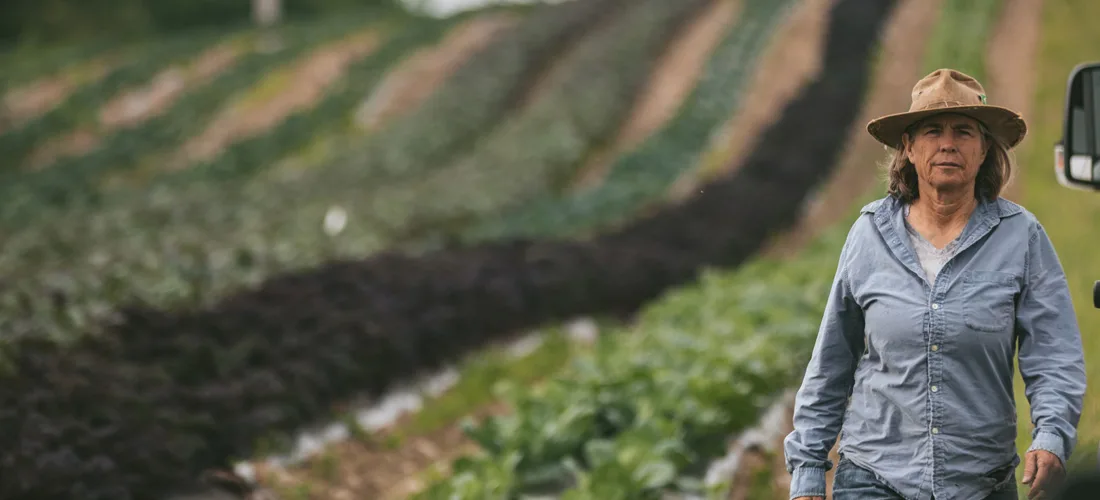
What is the difference between regenerative & organic farming?
Regenerative and organic farming share a lot in common. In fact, the Regenerative Organic Alliance requires that its members are practicing organic, in addition to their wider, more holistic standards. The main difference is that the organic label is regulated by the USDA and has specific requirements around the use of natural fertilizers and pesticides, the elimination of GMOs, and animal feed and pasturing. Regenerative farming actually takes organic practices one step further by introducing its environmentally-focused philosophies.
Where can I buy regeneratively-farmed food?
More and more food companies, stores, and marketplaces are putting an emphasis on offering sustainably-sourced foods and using regeneratively-produced ingredients. In fact, your local grocer may already offer a number of regeneratively-farmed foods. The best way to understand how your food is made is to do your research: check the labels, look up brands’ statements on their environmental impact, and ask the people selling the food about where it comes from. It’s a great reason to strike up a conversation with the people at your farmers’ market!
Most of all, you should seek out grocers who have a clear commitment to sustainability—like FreshDirect. We make a point of forming close, direct relationships with farmers who follow regenerative and sustainable practices, and setting high standards for their environmental impact. Here’s a list of just some of the farms and brands we work with who follow regenerative practices:
Regenerative farms & food brands
Hickory Nut Gap
Pasture-raised pork from a coalition of family farms.
Brothers Ridge Farm
Lamb raised without antibiotics or hormones on pasture in upstate New York.
Grass Run Farms
Purveyors of our 100% grass-fed beef from American farmers.
LaBelle Patrimoine
Heritage breed chicken raised in Pennsylvania.
SIMPLi
Certified organic beans and grains.
Pitaya
Frozen fruits perfect for smoothies, desserts, and more.
White Leaf Provisions
Baby food made with nutritious fruits and vegetables.
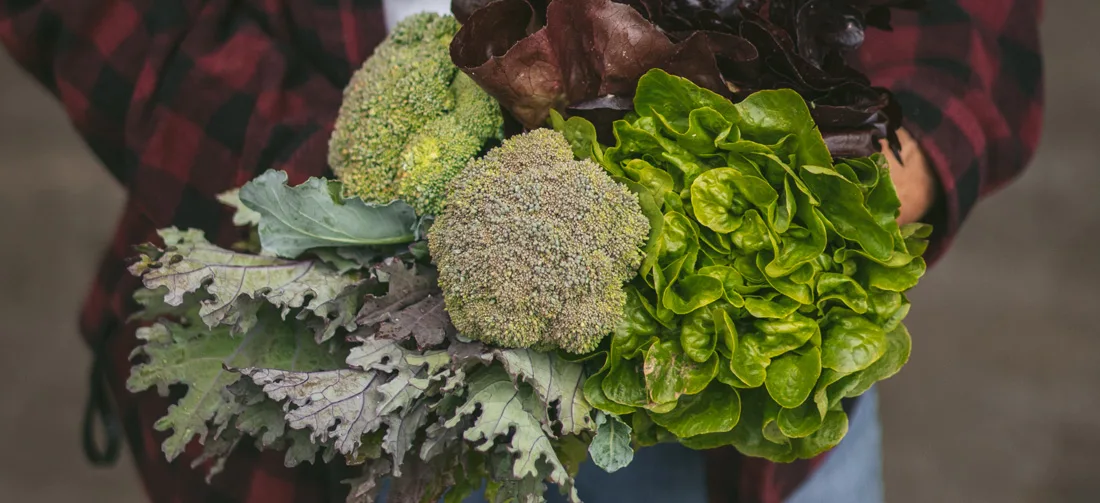
Hepworth Farms
A family farm known as a regional leader in organic practices, based on a whole systems approach.
And many more!
The regenerative impact
Regenerative farming offers a hopeful path forward—one that heals our soil, supports farmers, and delivers more nutritious food while protecting the planet for future generations. At FreshDirect, we’re proud to partner with farmers who embrace these principles so you can enjoy regeneratively produced foods with confidence. This Earth Month and beyond, explore our selection of regenerative meats, produce, pantry staples, and more—your choices truly make a difference.

RELATED
The impact of FreshDirect customer orders on local farmers, jobs, and sustainability efforts over the past two decades is extraordinary. Here’s how the numbers add up to something truly sweet.